
Tuesday, January 13, 2015

Tuesday, January 6, 2015
Wednesday, December 17, 2014


Friday, November 21, 2014
Elements and Principles of Photography
1. a) Leading Lines
b) Lines used to draw attention to a certain part of a photograph.
c)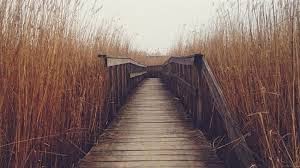
d) The lines in the photograph are leading to the end of the dock.
2. a) Vertical Lines
b) They can be used to create tension, to act as direct guides and paths, and to act as dividers and natural frames.
c)
d) The vertical lines from the fence are creating a divider between the sidewalk and the beach.
3. a) Horizontal Lines
b) They send out a calm feeling to the photograph.
c)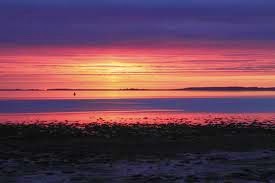
d) The horizontal lines from the sunset and the beach create a calming effect on the photograph.
4. a) Diagonal Lines
b) They draw attention to a certain area and can create a border for certain parts of the photo.
c)
d) The vertical lines draw attention to the fence and grass and also create a calming effect on the photo.
5. a) Curved Lines
b) They can make a dull photograph turn into an eye catching photograph.
c)
d) This photo could be just a regular photo but the curvy road makes the photo more interesting.
6. a) Symmetrical Balance
b) When a photograph is mirrored on one side to the other side.
c)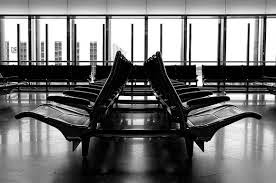
d) The picture is symmetrical and mirrored on both sides.
7. a) Asymmetrical Balance
b) It's an off center photo with an odd or mismatched number of disparate elements.
c)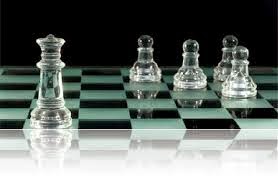
d) The picture is off balance with one chess piece on one side and a few chess pieces on the other side.
8. a) Unity
b) When all the elements of the photo join into the same area together.
c)
d) The candy looking things are being joined into the center of the picture after they pour out of the vase.
9. a) Variety
b) Variety is seen through the diversity of the objects in the photo.
c)
d) There are a variety of different vegetables in this photo.
10. a) Movement/Rhythm
b) When elements in the photograph reoccur regularly and have a focal point that your eyes follow.
c)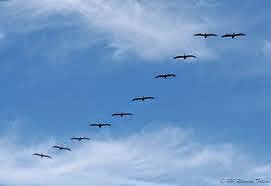
d) Your eyes move from bird to bird because they are all in different spaces in the photograph.
11. a) Emphasis
b) The photo draws your attention to one specific object.
c)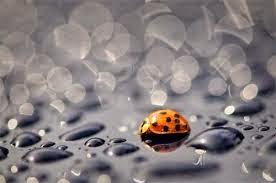
d) Your attention gets drawn to the lady bug because it is colored while everything else is neutral.
12. a) Proportion/Scale
b) The object can be the relative size of objects in the painting or the size of elements compared to what they are in real life.
c)
d) The flower in the picture is closer to the camera and larger than the person in the back making it look like a skirt.
13. a) Repetition/Pattern
b) Repeating visual elements to create rhythm in the photograph.
c)
d) The movie theatre seats are being repeated and they are all the same colors.
14. a) Bird's eye view
b) Looking down at something from up above the subject.
c)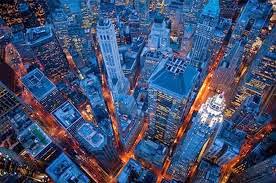
d) You are looking at the city from up above.
15. a) Worm's eye view
b) Looking up at something from the ground.
c)
d) You are looking at the dandelion from the ground view.
16. a) Horizon Line
b) The most common horizontal line usually creating a dividing point in the photo.
c)
d) There is a clear horizontal line across the beach.
17. a) Rule of Thirds
b) By aligning a subject with the guide lines and their intersection points, placing the horizon on the top or bottom line, or allowing linear features in the image to flow from section to section.
c)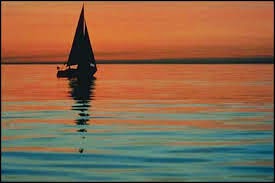
d) There is a clear horizontal line at the top of the photo with the boat at the top corner.
18. a) Framing
b) Using other objects in a photograph to frame the initial subject.
c)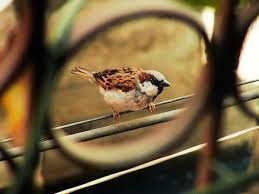
d) The fence in the photo is framing the bird so it stands out.
19. a) Simplicity
b) Placing a subject against a neutral background so the subject stands out.
c)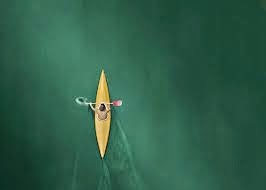
d) The boat stands out in the photo because it is set to a background with nothing to draw attention to anywhere else other than the boat.
20. a) Texture
b) The surface detail of the photograph.
c)
d) You can see the texture in the leaf just from looking at the photograph.
b) Lines used to draw attention to a certain part of a photograph.
c)
d) The lines in the photograph are leading to the end of the dock.
2. a) Vertical Lines
b) They can be used to create tension, to act as direct guides and paths, and to act as dividers and natural frames.
c)
d) The vertical lines from the fence are creating a divider between the sidewalk and the beach.
3. a) Horizontal Lines
b) They send out a calm feeling to the photograph.
c)
d) The horizontal lines from the sunset and the beach create a calming effect on the photograph.
4. a) Diagonal Lines
b) They draw attention to a certain area and can create a border for certain parts of the photo.
c)
d) The vertical lines draw attention to the fence and grass and also create a calming effect on the photo.
5. a) Curved Lines
b) They can make a dull photograph turn into an eye catching photograph.
c)
d) This photo could be just a regular photo but the curvy road makes the photo more interesting.
6. a) Symmetrical Balance
b) When a photograph is mirrored on one side to the other side.
c)
d) The picture is symmetrical and mirrored on both sides.
7. a) Asymmetrical Balance
b) It's an off center photo with an odd or mismatched number of disparate elements.
c)
d) The picture is off balance with one chess piece on one side and a few chess pieces on the other side.
8. a) Unity
b) When all the elements of the photo join into the same area together.
c)
d) The candy looking things are being joined into the center of the picture after they pour out of the vase.
9. a) Variety
b) Variety is seen through the diversity of the objects in the photo.
c)
d) There are a variety of different vegetables in this photo.
10. a) Movement/Rhythm
b) When elements in the photograph reoccur regularly and have a focal point that your eyes follow.
c)
d) Your eyes move from bird to bird because they are all in different spaces in the photograph.
11. a) Emphasis
b) The photo draws your attention to one specific object.
c)
d) Your attention gets drawn to the lady bug because it is colored while everything else is neutral.
12. a) Proportion/Scale
b) The object can be the relative size of objects in the painting or the size of elements compared to what they are in real life.
c)
d) The flower in the picture is closer to the camera and larger than the person in the back making it look like a skirt.
13. a) Repetition/Pattern
b) Repeating visual elements to create rhythm in the photograph.
c)
d) The movie theatre seats are being repeated and they are all the same colors.
14. a) Bird's eye view
b) Looking down at something from up above the subject.
c)
d) You are looking at the city from up above.
15. a) Worm's eye view
b) Looking up at something from the ground.
c)
d) You are looking at the dandelion from the ground view.
b) The most common horizontal line usually creating a dividing point in the photo.
c)
d) There is a clear horizontal line across the beach.
17. a) Rule of Thirds
b) By aligning a subject with the guide lines and their intersection points, placing the horizon on the top or bottom line, or allowing linear features in the image to flow from section to section.
c)
d) There is a clear horizontal line at the top of the photo with the boat at the top corner.
18. a) Framing
b) Using other objects in a photograph to frame the initial subject.
c)
d) The fence in the photo is framing the bird so it stands out.
19. a) Simplicity
b) Placing a subject against a neutral background so the subject stands out.
c)
d) The boat stands out in the photo because it is set to a background with nothing to draw attention to anywhere else other than the boat.
20. a) Texture
b) The surface detail of the photograph.
c)
d) You can see the texture in the leaf just from looking at the photograph.
Tuesday, November 18, 2014
Camera Basics Quiz
Group B:
I learned about the exposure triangle and all the things that go along with it. Such as, Aperture, Shutter Speed, and ISO. All of these things are needed for a great picture because if you don't have them the picture will not turn out as good as you want it to. Shutter speed is like a window, it's the amount of time that it lets light into the camera. ISO is the cameras sensitivity to light. Aperture is the size of the lens when you take a picture.
2.
ISO: 800
Aperture: 22.0
Shutter Speed: .8
I made a slow shutter speed so it would make the subject blurry and the background in focus.
3.
ISO: 3200
Aperture: 11.0
Shutter Speed: 1/125
I made the ISO higher and then set the shutter speed and aperture according to what the ISO was that I used (3200).
1.
ISO: 800
Aperture: 7.1
Shutter Speed: 1/100
I made the focal lens 18mm and then set the shutter speed according to what the focal lens was.
4.
ISO: 800
Aperture: 5.0
Shutter Speed: 1/100
I set the timer camera to 10 seconds and then made sure it was centered and focused on a spot and then I walked up into the range of the camera and got the shot.
Camera Knowledge:I learned about the exposure triangle and all the things that go along with it. Such as, Aperture, Shutter Speed, and ISO. All of these things are needed for a great picture because if you don't have them the picture will not turn out as good as you want it to. Shutter speed is like a window, it's the amount of time that it lets light into the camera. ISO is the cameras sensitivity to light. Aperture is the size of the lens when you take a picture.
Friday, November 7, 2014
Understanding White Balance

Daylight
ISO: 800
Aperture: 4.5
Shutter Speed: 1/20

Fluorescent
ISO: 800
Aperture: 4.5
Shutter Speed: 1/15

Tungsten
ISO: 800
Aperture: 4.5
Shutter Speed: 1/25

Auto
ISO: 800
Aperture: 4.5
Shutter Speed: 1/20

Cloudy
ISO: 800
Aperture: 4.5
Shutter Speed: 1/13
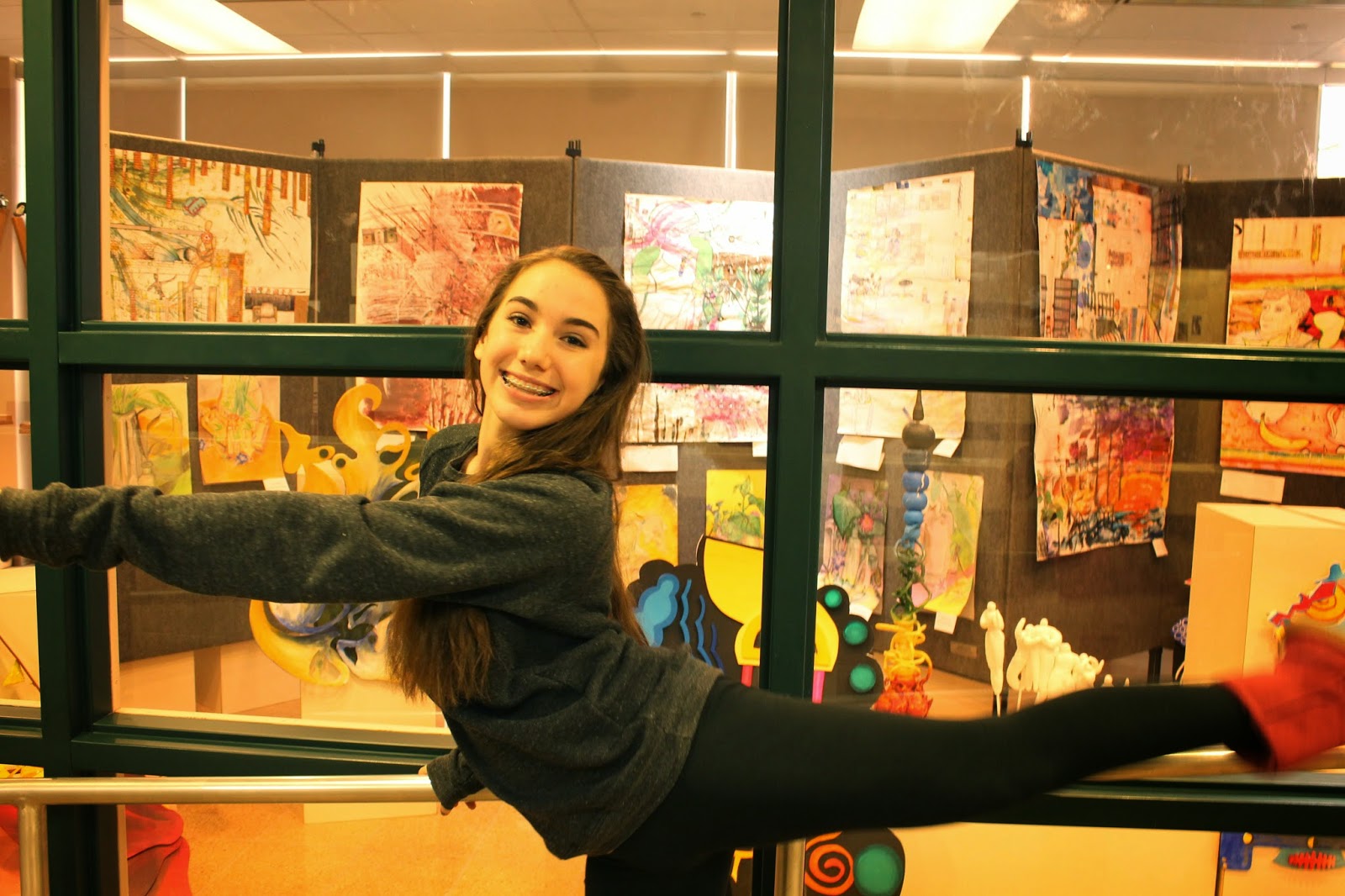
Custom
ISO: 800
Aperture: 4.5
Shutter Speed: 1/15
What is White Balance?: White balance is the way that the light reacts to the picture.
Why is it important to set your white balance?: So the picture can adjust to the lighting of the room.
Subscribe to:
Comments (Atom)